Questions? 800-523-5874 | [email protected]
- Prepmaster™ Specimen Preparation Robot
- TEM Grids
- TEM Window Grids
- Omniprobe Nanomanipulation Systems
- K-kit Wet "Liquid" TEM Kit
- Specimen Mounts
- SEM Specimen Holders
- Index and Finder SEM Grids
- SEM for Forensics
- SEM Sample Preparation Station Materials
- Cryogenic Personal Protection Equipment
- Cryo Dewars & Flasks
- Cryogenic Grids & Accessories
- Cryogenic Vials & Racks
- Cooling Chambers & Ice Baths
- Prepmaster™ Specimen Preparation Robot
- Laboratory Microwave Ovens
- LYNX II Automated Tissue Processor
- EMS Poly III
- Microtomes
- Tissue Slicers
- Rapid Immersion Freezer
- Heaters & Chillers
- SEM Cooling Stage
- Glow Discharge Systems
- Sputter Coaters & Carbon Coaters
- Stages
- Freeze Dryers
- Critical Point Dryers
- Cryo-SEM Preparation System
- Specimen Transfer Systems
- Decontaminators
- Desiccators
- Centrifuges
- Dry Baths
- Stirrers, Hot Plates
- Vortexers & Magnetic Mixers
- Rotators & Rockers
- Ovens & Incubators
- Vibration Isolation
- Air Sampling
- Vacuum Pumps
Filters
Filter by attributes
- Hazard
- Hazard - Air
- Hazard/Ice
- Ice
- Overnight Shipping Only
- Radioactive
- Shelf Life
Filter by manufacturer
Chemicals A to Z
Sort by
Product Name
Ordering Info

Anhydrous EM Grade Glutaraldehyde: Specially Prepared-10% Solution
Used in rapid-freezing on polished metal surface at the temp. of liquid helium or liquid nitrogen, followed by freeze-substitution in osmium-acetone. This technique is useful for capturing cellular events and preserving cell ultrastructure.
| Storage | Cat # | Description | MSDS | Pack | Price | Quote | Quantity | |
|---|---|---|---|---|---|---|---|---|
| Storage:0-5°C | Cat #: 16530 | Description: 10% Glutaraldehyde In Acetone | MSDS | Pack: 10 x 10 mL | Price: $105.00 |
Add to Quote:

|
|
|
| Storage:0-5°C | Cat #: 16531 | Description: 10% Glutaraldehyde In Ethanol | MSDS | Pack: 10 x 10 mL | Price: $105.00 |
Add to Quote:
|
|
|
| Storage:0-5°C | Cat #: 16532 | Description: 10% Glutaraldehyde In Methanol | MSDS | Pack: 10 x 10 mL | Price: $105.00 |
Add to Quote:
|
|
|
| Storage:0-5°C | Cat #: 16533 | Description: 10% Glutaraldehyde in Solvent of Choice | MSDS | Pack: 10 x 10 mL | Price: $105.00 |
Add to Quote:
|
|
2-Methyl Butane, Reagent
Isopropentane - F.W. 72.15 CAS #78-78-4, b.p. 27-31°C, Specific Gravity @ 20°C: 0.62
| Storage | Cat # | Description | MSDS | Pack | Price | Quote | Quantity | |
|---|---|---|---|---|---|---|---|---|
| Storage:RT | Cat #: 18550 | Description: 2-Methyl Butane, Reagent | MSDS | Pack: 450 mL | Price: $53.00 |
Add to Quote:
|
|
4-Acetamido-4'-Isothiocyanostilbene-2,2'-Disulfonic Acid (SITS), Di Sodium Salt
Sodium Salt. Used as vital stain, as label for immunostaining, neuronal tracer, non-penetrating fluorescent marker for erythrocyte membranes.
| Storage | Cat # | Description | MSDS | Pack | Price | Quote | Quantity | |
|---|---|---|---|---|---|---|---|---|
| Storage:RT | Cat #: 10030 | Description: SITS, Di SODIUM SALT | MSDS | Pack: 250 mg | Price: $380.50 |
Add to Quote:
|
|
Acetate Buffer
Ideal for maintaining a constant pH use during fixation, our buffers are prepared fresh for each order and conveniently packaged.
| Storage | Cat # | Description | MSDS | Pack | Price | Quote | Quantity | |
|---|---|---|---|---|---|---|---|---|
| Storage:2-8°C | Cat #: 11482-42 | Description: Acetate Buffer, 0.2M pH 4.2 | MSDS | Pack: 500 mL | Price: $27.50 |
Add to Quote:
|
|
|
| Storage:2-8°C | Cat #: 11482-42-1L | Description: Acetate Buffer, 0.2M, pH 4.2 | MSDS | Pack: 1 L | Price: $54.00 |
Add to Quote:
|
|
|
| Storage:2-8°C | Cat #: 11482-50 | Description: Acetate Buffer, 0.2M pH 5.0 | MSDS | Pack: 500 mL | Price: $27.50 |
Add to Quote:
|
|
|
| Storage:2-8°C | Cat #: 11482-50-1L | Description: Acetate Buffer, 0.2M, pH 5.0 | MSDS | Pack: 1 L | Price: $54.00 |
Add to Quote:
|
|
|
| Storage:2-8°C | Cat #: 11482-56 | Description: Acetate Buffer, 0.2M pH 5.6 | MSDS | Pack: 500 mL | Price: $27.50 |
Add to Quote:
|
|
|
| Storage:2-8°C | Cat #: 11482-56-1L | Description: Acetate Buffer, 0.2M, pH 5.6 | MSDS | Pack: 1 L | Price: $54.00 |
Add to Quote:
|
|
Acetate Buffer pH 3.6-5.6
Acetic Acid and Sodium Acetate, 0.2M, pH range 3.6-5.6. Ideal for maintaining a constant pH use during fixation, our buffers are prepared fresh for each order and conveniently packaged.
| Storage | Cat # | Description | MSDS | Pack | Price | Quote | Quantity | |
|---|---|---|---|---|---|---|---|---|
| Storage:2-8°C | Cat #: 11480 | Description: Acetate Buffer, 0.2M, pH 3.6-5.6 | MSDS | Pack: 225 mL | Price: $22.50 |
Add to Quote:
|
|
|
| Storage:2-8°C | Cat #: 11482 | Description: Acetate Buffer, 0.2M, pH 3.6-5.6 | MSDS | Pack: 500 mL | Price: $27.50 |
Add to Quote:
|
|
|
| Storage:2-8°C | Cat #: 11482-1L | Description: Acetate Buffer, 0.2M, pH 3.6-5.6 | MSDS | Pack: 1 L | Price: $54.00 |
Add to Quote:
|
|
| Storage | Cat # | Description | MSDS | Pack | Price | Quote | Quantity | |
|---|---|---|---|---|---|---|---|---|
| Storage:RT | Cat #: 10042-02 | Description: Acetic Acid 0.2% | MSDS | Pack: 500 mL | Price: $23.50 |
Add to Quote:
|
|
|
| Storage:RT | Cat #: 10042-05 | Description: Acetic Acid 0.5% | MSDS | Pack: 500 mL | Price: $24.50 |
Add to Quote:
|
|
|
| Storage:RT | Cat #: 10042-10 | Description: Acetic Acid 1% | MSDS | Pack: 500 mL | Price: $26.50 |
Add to Quote:
|
|
|
| Storage:RT | Cat #: 10042-50 | Description: Acetic Acid 5% | MSDS | Pack: 500 mL | Price: $36.00 |
Add to Quote:
|
|
| Storage | Cat # | Description | MSDS | Pack | Price | Quote | Quantity | |
|---|---|---|---|---|---|---|---|---|
| Storage:RT | Cat #: 10040 | Description: Acetic Acid Glacial | MSDS | Pack: 500 mL | Price: $69.00 |
Add to Quote:
|
|
|
| Storage:RT | Cat #: 10041 | Description: Acetic Acid Glacial | MSDS | Pack: 2 L | Price: $140.00 |
Add to Quote:
|
|
Acetone, Glass Distilled CAS #67-64-1
U.V. Absorption (1 cm cell vs. H2O) is 0.01, 0.02, 0.10, and 1.0 at wavelengths of 400, 350, 340, and 330.
| Storage | Cat # | Description | MSDS | Pack | Price | Quote | Quantity | |
|---|---|---|---|---|---|---|---|---|
| Storage:RT | Cat #: 10015 | Description: Acetone, Glass Distilled | MSDS | Pack: 100 mL | Price: $23.50 |
Add to Quote:
|
|
|
| Storage:RT | Cat #: 10016 | Description: Acetone, Glass Distilled | MSDS | Pack: 4 x 100 mL | Price: $82.50 |
Add to Quote:
|
|
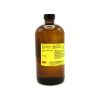
| Storage | Cat # | Description | MSDS | Pack | Price | Quote | Quantity | |
|---|---|---|---|---|---|---|---|---|
| Storage:RT | Cat #: 10000 | Description: Acetone, Reagent Grade | MSDS | Pack: 1 qt | Price: $20.00 |
Add to Quote:
|
|
|
| Storage:RT | Cat #: 10010 | Description: Acetone, Reagent Grade | MSDS | Pack: 4 x 1 qt | Price: $70.00 |
Add to Quote:
|
|
|
| Storage:RT | Cat #: 10012 | Description: Acetone,Reagent Grade | MSDS | Pack: 250 mL | Price: $11.50 |
Add to Quote:
|
|
|
| Storage:RT | Cat #: 10014 | Description: Acetone, Reagent Grade | MSDS | Pack: 4 x 250 mL | Price: $40.50 |
Add to Quote:
|
|
Acetonitrile, Reagent, A.C.S.
A non-carcinogenic substitute for Propylene Oxide, used in tissueprocessing for TEM. Good for infiltration with Embed-812 or other Epon-812 substitutes.
| Storage | Cat # | Description | MSDS | Pack | Price | Quote | Quantity | |
|---|---|---|---|---|---|---|---|---|
| Storage:RT | Cat #: 10020 | Description: Acetonitrile | MSDS | Pack: 450 mL | Price: $53.00 |
Add to Quote:
|
|
|
| Storage:RT | Cat #: 10021 | Description: Acetonitrile | MSDS | Pack: 4 x 450 mL | Price: $201.50 |
Add to Quote:
|
|
Acid Alcohols
Acidified alcohol solution is used for the differentiation of regressive stains. The solutions are freshly prepared upon receipt of order to ensure maximum shelf life.
| Storage | Cat # | Description | MSDS | Pack | Price | Quote | Quantity | |
|---|---|---|---|---|---|---|---|---|
| Storage:RT | Cat #: 26071-01 | Description: Acid Alcohol, 0.5% Hcl/70% Alcohol | MSDS | Pack: 1 L | Price: $43.50 |
Add to Quote:
|
|
|
| Storage:RT | Cat #: 26071-04 | Description: Acid Alcohol, 0.5% Hcl/70% Alcohol | MSDS | Pack: 4 x 1 L | Price: $161.00 |
Add to Quote:
|
|
|
| Storage:RT | Cat #: 26072-01 | Description: Acid Alcohol, 1% Hcl/70% Alcohol | MSDS | Pack: 1 L | Price: $38.00 |
Add to Quote:
|
|
|
| Storage:RT | Cat #: 26072-04 | Description: Acid Alcohol, 1% Hcl/70% Alcohol | MSDS | Pack: 4 x 1 L | Price: $140.00 |
Add to Quote:
|
|
|
| Storage:RT | Cat #: 26073-01 | Description: Acid Alcohol, 1% Hcl/95% Alcohol | MSDS | Pack: 1 L | Price: $50.00 |
Add to Quote:
|
|
|
| Storage:RT | Cat #: 26073-04 | Description: Acid Alcohol, 1% Hcl/95% Alcohol | MSDS | Pack: 4 x 1 L | Price: $186.50 |
Add to Quote:
|
|
Acid Fuchsin, Certified, C.N. #DcR-11
This tweezer set offers you a safe place to store your valuable and delicate tweezers.
| Storage | Cat # | Description | MSDS | Pack | Price | Quote | Quantity | |
|---|---|---|---|---|---|---|---|---|
| Storage:RT | Cat #: 10035 | Description: Acid Fuchsin, Certified | MSDS | Pack: 25 g | Price: $41.50 |
Add to Quote:
|
|
Acridine Orange
Ultrastructural probes on DNA templates within human bone marrow and lymph node cells. Used to detect changes in DNA template
| Storage | Cat # | Description | MSDS | Pack | Price | Quote | Quantity | |
|---|---|---|---|---|---|---|---|---|
| Storage:RT | Cat #: 10050 | Description: Acridine Orange | MSDS | Pack: 25 g | Price: $128.50 |
Add to Quote:
|
|
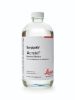
Acrytol® Mounting Media
Rapid-drying mounting medium which enables slides to be screened immediately. It has a low viscosity. Contains an antioxidant to inhibit stain fading and prevent the formulation of annual rings.
| Cat # | Description | MSDS | Pack | Price | Quote | Quantity | |
|---|---|---|---|---|---|---|---|
| Cat #: 13518 | Description: Acrytol Mounting Medium | MSDS | Pack: 16 oz | Price: $53.00 |
Add to Quote:
|
|
Agar, Powder, Bacteriological Grade
Gelling Temperature (1.5% in H2O) about 35 degree C. Gel Strength (1.5% gel) 300g/cm2.
| Storage | Cat # | Description | MSDS | Pack | Price | Quote | Quantity | |
|---|---|---|---|---|---|---|---|---|
| Storage:RT | Cat #: 10200 | Description: Agar, Powder | MSDS | Pack: 100 g | Price: $34.00 |
Add to Quote:
|
|
|
| Storage:RT | Cat #: 10202 | Description: Agar, Powder | MSDS | Pack: 500 g | Price: $146.50 |
Add to Quote:
|
|
Agarose I™
Agarose I™ is standard melting/gelling agarose, suitable for routine nucleic acid analytical/preservative applications. Agarose I has a low EEO for shorter electrophoresis runs without compromising resolution.
| Storage | Cat # | Description | MSDS | Pack | Price | Quote | Quantity | |
|---|---|---|---|---|---|---|---|---|
| Storage:RT | Cat #: 10205 | Description: Agarose, For Dna | MSDS | Pack: 100 g | Price: $217.50 |
Add to Quote:
|
|
|
| Storage:RT | Cat #: 10206 | Description: Agarose I™ 500 Mg/Tablet | MSDS | Pack: 100 Pack | Price: $188.50 |
Add to Quote:
|
|
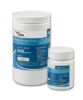
Agarose LE Powder
Agarose LE powder is multi-purpose and high purity. Green choice, free from organic solvents. Features low EEO that promotes increased electrophoretic mobility resulting in enhanced resolution and clarity. RNase, DNase, and Protease free.
| Cat # | Description | MSDS | Pack | Price | Quote | Quantity | |
|---|---|---|---|---|---|---|---|
| Cat #: 87046-01 | Description: EMS Agarose LE Powder, 25g | MSDS | Pack: 25 g | Price: $60.50 |
Add to Quote:
|
|
|
| Cat #: 87046-02 | Description: EMS Agarose LE Powder, 100g | MSDS | Pack: 100 g | Price: $143.00 |
Add to Quote:
|
|
|
| Cat #: 87046-03 | Description: EMS Agarose LE Powder, 500g | MSDS | Pack: 500 g | Price: $498.00 |
Add to Quote:
|
|
Agarose SFR™
A high resolution sieving agarose. DNA bands differing in size by 2% can be resolved in the range of 200 – 1,000 bp. Use for FLP's, STR’s, and tetranucleotide repeats. Low melting point makes an excellent medium for electrophoresis.
| Storage | Cat # | Description | MSDS | Pack | Price | Quote | Quantity | |
|---|---|---|---|---|---|---|---|---|
| Storage:RT | Cat #: 10207 | Description: Agarose, Low Gel Temperature | MSDS | Pack: 100 g | Price: $579.00 |
Add to Quote:
|
|
EZ Pack™ Agarose Tablets
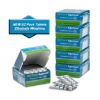
The quick dissolving (two minutes) EMS EZ Pack tablet contains 0.5g (500 mg) of EMS Agarose LE, eliminating the hands-on time and inaccuracies normally associated with weighing. Consistent, reproducible gels. Enhaced resolution and clarity.
| Cat # | Description | MSDS | Pack | Price | Quote | Quantity | |
|---|---|---|---|---|---|---|---|
| Cat #: 87045-01 | Description: EZ Pack™ Agarose Tablets, 200/pk (100gm) | MSDS | Pack: 200 x 100 g | Price: $200.50 |
Add to Quote:
|
|
|
| Cat #: 87045-02 | Description: EZ Pack™ Agarose Tablets | MSDS | Pack: 1000 x 500 g | Price: $604.00 |
Add to Quote:
|
|
| Storage | Cat # | Description | MSDS | Pack | Price | Quote | Quantity | |
|---|---|---|---|---|---|---|---|---|
| Storage:RT | Cat #: 10350 | Description: Alcian Blue 8GX, Certified | MSDS | Pack: 25 g | Price: $270.50 |
Add to Quote:
|
|