Questions? 800-523-5874 | [email protected]
- Prepmaster™ Specimen Preparation Robot
- TEM Grids
- TEM Window Grids
- Omniprobe Nanomanipulation Systems
- K-kit Wet "Liquid" TEM Kit
- Specimen Mounts
- SEM Specimen Holders
- Index and Finder SEM Grids
- SEM for Forensics
- SEM Sample Preparation Station Materials
- Cryogenic Personal Protection Equipment
- Cryo Dewars & Flasks
- Cryogenic Grids & Accessories
- Cryogenic Vials & Racks
- Cooling Chambers & Ice Baths
- Prepmaster™ Specimen Preparation Robot
- Laboratory Microwave Ovens
- LYNX II Automated Tissue Processor
- EMS Poly III
- Microtomes
- Tissue Slicers
- Rapid Immersion Freezer
- Heaters & Chillers
- SEM Cooling Stage
- Glow Discharge Systems
- Sputter Coaters & Carbon Coaters
- Stages
- Freeze Dryers
- Critical Point Dryers
- Cryo-SEM Preparation System
- Specimen Transfer Systems
- Decontaminators
- Desiccators
- Centrifuges
- Dry Baths
- Stirrers, Hot Plates
- Vortexers & Magnetic Mixers
- Rotators & Rockers
- Ovens & Incubators
- Vibration Isolation
- Air Sampling
- Vacuum Pumps
Filters
Filter by attributes
- Material
- Voltage
Filter by manufacturer
Instrumentation
Sort by
Product Name
Ordering Info

EMS 130 Specimen Punch
Prepare high-quality disk specimens from thin metal foils with the EMS 130 Specimen Punch. A precision ground punch and die plate eliminate specimen stress and distortion.
| Cat # | Description | Pack | Price | Quote | Quantity | |
|---|---|---|---|---|---|---|
| Cat #: 50125-10 | Description: EMS 130 Specimen Punch 3 mm wide base | Pack: Each | Price: $2,078.50 |
Add to Quote:

|
|
|
| Cat #: 50125-10-3 | Description: EMS 130 Specimen Punch 3 mm standard base | Pack: Each | Price: $1,787.00 |
Add to Quote:
|
|
|
| Cat #: 50125-15 | Description: EMS 130 Specimen Punch 2.3 mm wide base | Pack: Each | Price: $2,311.00 |
Add to Quote:
|
|
|
| Cat #: 50125-15-23 | Description: EMS 130 Specimen Punch 2.3 mm standard base | Pack: Each | Price: $2,023.50 |
Add to Quote:
|
|
|
| Cat #: 50125-12 | Description: EMS 130 Specimen Punch 1 mm wide base | Pack: Each | Price: $2,915.00 |
Add to Quote:
|
|
|
| Cat #: 50125-12-1 | Description: EMS 130 Specimen Punch 1 mm standard base | Pack: Each | Price: $2,567.50 |
Add to Quote:
|
|
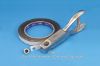
Disc Punches
Produces discs (tabs) from sheet materials. Ticket punching type. Comes with adjustable side gauge for centering hole. 2" maximum reach, 6½" long. Max thickness for punching is 67-mil. Includes one punch handle and punching die.
| Cat # | Description | Pack | Price | Quote | Quantity | |
|---|---|---|---|---|---|---|
| Cat #: 77850-08 | Description: Punch, 5/16” (7.94 mm ) Circle | Pack: Each | Price: $118.50 |
Add to Quote:
|
|
|
| Cat #: 77850-09 | Description: Punch, 3/8” (9.54 mm ) Circle | Pack: Each | Price: $120.00 |
Add to Quote:
|
|
|
| Cat #: 77850-12 | Description: Punch, ½” (12.7 mm ) Circle | Pack: Each | Price: $140.00 |
Add to Quote:
|
|
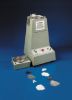
Micro-Mill® Grinder
For fast, high-speed grinding of small samples from 20 to 50mm. The 150 watts motor has a torque of 2.2 Kg-cm at 12,000 rpm.
| Cat # | Description | Pack | Price | Quote | Quantity | |
|---|---|---|---|---|---|---|
| Cat #: 50100-02 | Description: Micro-Mill Grinder 1, 220V | Pack: Each | Price: $3,184.00 |
Add to Quote:
|
|
MultiLap™ Fish Otolith Polishing Tool – Model 195
High specimen throughput polishing tool designed to grind and polish multiple specimens with precise control. 6 pistons hold specimens. Polish in 10um increments.
| Cat # | Description | Pack | Price | Quote | Quantity | |
|---|---|---|---|---|---|---|
| Cat #: 50168-95 | Description: 6-Position Multilap Fixture, Model 195 | Pack: Each | Price: $9,095.00 |
Add to Quote:
|
|
|
| Cat #: 50168-02 | Description: Piston Assembly | Pack: Each | Price: $1,195.50 |
Add to Quote:
|
|
|
| Cat #: 50168-10 | Description: 6-Position Alignment Fixture | Pack: Each | Price: $729.50 |
Add to Quote:
|
|
|
| Cat #: 50168-03 | Description: Sample Holder Ring Mounts | Pack: Each | Price: $27.50 |
Add to Quote:
|
|
|
| Cat #: 50168-04 | Description: Delrin Foot For Model 195 | Pack: Each | Price: $24.50 |
Add to Quote:
|
|
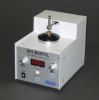
Micropol™ Polisher For TEM & Metallography – Model MC3
Micropol polisher is a compact, versatile, electrically controlled, precise mechanical specimen grinder/polisher designed for planar grinding, dimpling, thinning and polishing of specimens. Extremely light load for fragile TEM samples.
| Cat # | Description | Pack | Price | Quote | Quantity | |
|---|---|---|---|---|---|---|
| Cat #: 50174-MC2 | Description: Micropol Mc3 | Pack: Each | Price: $6,296.50 |
Add to Quote:
|
|
XTEM TEM Sample Preparation Kit
Used for preparation of cross-sectional TEM (XTEM) specimens. Offers all the tools and materials that help to prepare high-quality cross-sectional TEM specimens.
| Cat # | Description | MSDS | Pack | Price | Quote | Quantity | |
|---|---|---|---|---|---|---|---|
| Cat #: 50110-XTEM | Description: Xtem Preparation Kit | MSDS | Pack: Each | Price: $10,610.50 |
Add to Quote:
|
|
|
| Cat #: 55110-AT1 | Description: Ion Beam Resistant Glue | Pack: Each | Price: $158.00 |
Add to Quote:
|
|
||
| Cat #: 55110-MW | Description: Transparent Glut | Pack: Each | Price: $41.50 |
Add to Quote:
|
|
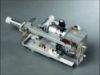
MicroSaw, Diamond Saw
A circular diamond saw for precision cutting under stereo microscope. Ideal for cutting and sectioning required during the TEM specimen preparation.
| Cat # | Description | Pack | Price | Quote | Quantity | |
|---|---|---|---|---|---|---|
| Cat #: 55150-MS3 | Description: Microsaw, Model Ms 3 | Pack: Each | Price: $3,358.00 |
Add to Quote:
|
|
|
| Cat #: 55150-10 | Description: Micro Saw, Diamond Wheel | Pack: Each | Price: $280.00 |
Add to Quote:
|
|
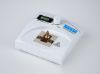
MicroHeat Hot Plate, Model MH4
Microheat is a heat stabilized small hot plate combined with power supply designed for embedding samples and for thermoplastic gluing under stereooptical microscope. The Microheat was developed to make the embedding procedure easier.
| Cat # | Description | Pack | Price | Quote | Quantity | |
|---|---|---|---|---|---|---|
| Cat #: 55110-MH2 | Description: Microheat, Model Mh4 | Pack: Each | Price: $979.50 |
Add to Quote:
|
|
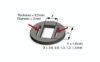
Ti Disc Embedding Ring
Designed for drilling holes, slots and discs of virtually any profile in hard metals. The cutting speed will, of course, vary depending on the sample size and material.
| Cat # | Description | Pack | Price | Quote | Quantity | |
|---|---|---|---|---|---|---|
| Cat #: 55110-TIR | Description: Ti Embedding Rings | Pack: 5 Pack | Price: $115.50 |
Add to Quote:
|
|
Mechanical Tool Kit
Tool for mechanical sample preparation prior to thinning are suitable for adjusting sample pieces into the Ti discs, removing the excess glue and cutting, or adjusting the seat plate.
| Cat # | Description | Pack | Price | Quote | Quantity | |
|---|---|---|---|---|---|---|
| Cat #: 55110-HSS | Description: Mechanical Tool Kit | Pack: Each | Price: $816.00 |
Add to Quote:
|
|
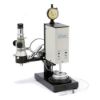
Model 170 UltraSonic Disk Cutter
Cuts cylindrical and rectangular specimens for TEM from hard and brittle materials without mechanical or thermal damage. Thin as 10 µm and up to 10 mm rods. Wafer cross-sections are cut by the oscillation of two lead zirconate titanate crystals.
| Cat # | Description | Pack | Price | Quote | Quantity | |
|---|---|---|---|---|---|---|
| Cat #: 55186 | Description: Model 170 Ultrasonic Disk Cutter | Pack: Each | Price: $17,372.50 |
Add to Quote:
|
|
|
| Cat #: 55186-01 | Description: Microscope Attachment Assembly | Pack: Each | Price: $2,446.50 |
Add to Quote:
|
|
|
| Cat #: 55186-02 | Description: 10x10mm SS Square Cutting Tool | Pack: Each | Price: $1,933.50 |
Add to Quote:
|
|
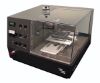
UltraSlice Precision Slicing Machine
UltraSlice precision slicing machine provides advanced slicing for most component sizes and shapes. Long-cuts and dicing modes also possible. Motorized table provides unattended operation.
| Cat # | Description | Pack | Price | Quote | Quantity | |
|---|---|---|---|---|---|---|
| Cat #: 6004.1 | Description: Theta Stage | Pack: Each | Price: $0.00 |
Add to Quote:
|
|
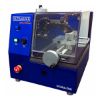
UltraSlice Precision Macrotome
This precision diamond saw has a quiet, direct drive design for smooth, chatter free slicing of important and fragile industrial, biological and related specimens.
| Cat # | Description | Pack | Price | Quote | Quantity | |
|---|---|---|---|---|---|---|
| Cat #: 8555.1 | Description: Table Autofeed | Pack: Each | Price: $0.00 |
Add to Quote:
|
|
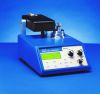
Model 200 Dimpling Grinder
An easy-to-use, state-of-the-art, mechanical thinning instrument designed for the reproducible preparation of high-quality electron microscopy specimens.
| Cat # | Description | Pack | Price | Quote | Quantity | |
|---|---|---|---|---|---|---|
| Cat #: 50178 | Description: Model 200 Dimpling Grinder, with country specific power cord | Pack: Each | Price: $26,818.00 |
Add to Quote:
|
|
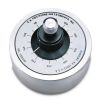
Specimen Grinder – Model 160
Mechanically prethins specimens for transmission electron microscopy (TEM). Greatly reduces the time spent during ion beam milling.
| Cat # | Description | Pack | Price | Quote | Quantity | |
|---|---|---|---|---|---|---|
| Cat #: 50179 | Description: Model 160 Specimen Grinder | Pack: Each | Price: $2,507.00 |
Add to Quote:
|
|
|
| Cat #: 50179-01 | Description: Goniometer Platen | Pack: Each | Price: $2,411.50 |
Add to Quote:
|
|
|
| Cat #: 50179-02 | Description: Specimen Lapping Kit | Pack: Each | Price: $4,837.00 |
Add to Quote:
|
|
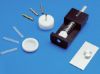
Model 180 XTEM Prep Kit
The Model 180 XTEM Prep Kit produces controlled cross-section TEM (XTEM) specimens from rectangular wafers obtained from the area of interest of the bulk material.
| Cat # | Description | Pack | Price | Quote | Quantity | |
|---|---|---|---|---|---|---|
| Cat #: 50188 | Description: Model 180 XTEM Prep Kit | Pack: Each | Price: $2,425.50 |
Add to Quote:
|
|
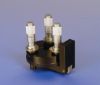
Model 590 Tripod Polisher® TEM SEM Sample Preparation
Tripod polishers are used to prepare micro samples for TEM and SEM without strong chemicals and will while limiting ion milling time. It can be used to prepare both plan-view and cross-sections from ceramics, composites, metals, rocks, and minerals.
| Cat # | Description | Pack | Price | Quote | Quantity | |
|---|---|---|---|---|---|---|
| Cat #: 50115-10 | Description: Tripod Polisher, Model 590 | Pack: Each | Price: $1,473.50 |
Add to Quote:
|
|
|
| Cat #: 50115-20 | Description: Tripod Polisher, Model 590+ | Pack: Each | Price: $1,113.00 |
Add to Quote:
|
|
|
| Cat #: 50115-30 | Description: Tripod Polisher 590S | Pack: Each | Price: $1,828.50 |
Add to Quote:
|
|
|
| Cat #: 50116-05 | Description: Micrometer Assembly Base | Pack: Each | Price: $338.00 |
Add to Quote:
|
|
|
| Cat #: 50116-10 | Description: Precision Micrometer | Pack: Each | Price: $228.00 |
Add to Quote:
|
|
|
| Cat #: 50116-15 | Description: Delrin Micrometer Feet | Pack: Each | Price: $20.00 |
Add to Quote:
|
|
|
| Cat #: 50116-30 | Description: Slotted ‘L’ Bracket | Pack: Each | Price: $213.00 |
Add to Quote:
|
|
|
| Cat #: 50116-45 | Description: Support Collar | Pack: Each | Price: $33.00 |
Add to Quote:
|
|
|
| Cat #: 50116-50 | Description: Heater Block | Pack: Each | Price: $72.00 |
Add to Quote:
|
|
|
| Cat #: 50116-55 | Description: Microscope Stand | Pack: Each | Price: $72.00 |
Add to Quote:
|
|
|
| Cat #: 50116-60 | Description: Pyrex Insert For Wedge Polishing | Pack: Each | Price: $26.50 |
Add to Quote:
|
|
|
| Cat #: 50116-62 | Description: Wedge Polishing Clamp | Pack: Each | Price: $59.50 |
Add to Quote:
|
|
|
| Cat #: 50116-63 | Description: Pyrex Wedge Polishing Rod | Pack: Each | Price: $27.50 |
Add to Quote:
|
|
|
| Cat #: 50116-64 | Description: Pyrex Wedge Polishing Stub | Pack: Each | Price: $20.00 |
Add to Quote:
|
|
|
| Cat #: 50116-65 | Description: SEM Stub | Pack: Each | Price: $72.00 |
Add to Quote:
|
|
|
| Cat #: 50116-70 | Description: Glass Leveling Slide | Pack: Each | Price: $7.50 |
Add to Quote:
|
|
|
| Cat #: 50116-31 | Description: Cross Section L-Bracket | Pack: Each | Price: $178.00 |
Add to Quote:
|
|
|
| Cat #: 50116-35 | Description: Parallel Polishing Mount | Pack: Each | Price: $82.50 |
Add to Quote:
|
|
|
| Cat #: 50116-36 | Description: Parallel Polishing Mount | Pack: Each | Price: $46.50 |
Add to Quote:
|
|
|
| Cat #: 50116-40 | Description: Planarizing Tool | Pack: Each | Price: $244.00 |
Add to Quote:
|
|
|
| Cat #: 50116-61 | Description: Wedge Polishing Mount | Pack: Each | Price: $159.00 |
Add to Quote:
|
|
|
| Cat #: 50118-05 | Description: Starter Kit | Pack: Each | Price: $799.00 |
Add to Quote:
|
|
|
| Cat #: 50116-20 | Description: Plain ‘L’ Bracket | Pack: Each | Price: $127.00 |
Add to Quote:
|
|
|
| Cat #: 50116-25 | Description: Screw Clamp ‘L’ Bracket | Pack: Each | Price: $155.00 |
Add to Quote:
|
|
Ion Mill Stage, Model 5901
Designed to accept the special SEM stub used with the Tripod Polisher. The SEM stub is mounted to the Ion Mill Stage and the samples are briefly ion milled to remove fine scratches, polishing debris and create surface topography.
| Cat # | Description | Pack | Price | Quote | Quantity | |
|---|---|---|---|---|---|---|
| Cat #: 50118-01 | Description: Ion Mill Stage | Pack: Each | Price: $245.00 |
Add to Quote:
|
|
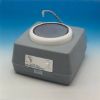
Model 900 – Grinding and Polishing Machine
This item is temporarily discontinued. Please return here for updates. Light weight, bench top grinding and polishing machine is ideal for surface preparation of small metallographic specimens. It has adjustable speed from 0 to 1725 RPM and 1/3 HP. Includes aluminum lapping plate.
| Cat # | Description | Pack | Price | Quote | Quantity | |
|---|---|---|---|---|---|---|
| Cat #: 50120-10 | Description: Grinder/Polisher | Pack: Each | Price: $2,210.00 |
Add to Quote:
|
|
|
| Cat #: 50120-20 | Description: Grinder/Polisher Ce Mark | Pack: Each | Price: $2,909.50 |
Add to Quote:
|
|
|
| Cat #: 50120-50 | Description: Aluminum Lapping Plate | Pack: Each | Price: $571.50 |
Add to Quote:
|
|
|
| Cat #: 50120-51 | Description: 8" Glass Lapping Plate | Pack: Each | Price: $79.50 |
Add to Quote:
|
|
|
| Cat #: 50120-61 | Description: Rubber Splash Guard | Pack: Each | Price: $53.00 |
Add to Quote:
|
|
|
| Cat #: 50120-70 | Description: Motor Controller, 110V | Pack: Each | Price: $612.50 |
Add to Quote:
|
|
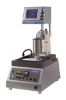
Advance Polishing System
ULTRAPOL Advance is designed to be an all-in-one lapping & polishing workstation for the production of flat surfaces. Unbeatable combination of advanced control and process features allow for the accurate processing of modern generations of IC's.
| Cat # | Description | Pack | Price | Quote | Quantity | |
|---|---|---|---|---|---|---|
| Cat #: 6183.UL | Description: ULTRACOLLIMATOR Laser Alignment Upgrade | Pack: Each | Price: $15,834.50 |
Add to Quote:
|
|