Questions? 800-523-5874 | [email protected]
- TEM Grids
- Prepmaster™ Specimen Preparation Robot
- TEM Window Grids
- Omniprobe Nanomanipulation Systems
- K-kit Wet "Liquid" TEM Kit
- Specimen Mounts
- SEM Specimen Holders
- Index and Finder SEM Grids
- SEM for Forensics
- SEM Sample Preparation Station Materials
- Cryogenic Personal Protection Equipment
- Cryo Dewars & Flasks
- Cryo-EM Grids & Grid Storage
- Cryogenic Vials & Racks
- Cryo-EM Vitrification Supplies
- Prepmaster™ Specimen Preparation Robot
- Laboratory Microwave Ovens
- LYNX II Automated Tissue Processor
- EMS Poly III
- Microtomes
- Tissue Slicers
- Heaters & Chillers
- SEM Cooling Stage
- Glow Discharge Systems
- Sputter Coaters & Carbon Coaters
- Stages
- Freeze Dryers
- Critical Point Dryers
- Cryo-SEM Preparation System
- Specimen Transfer Systems
- Decontaminators
- Desiccators
- Centrifuges
- Dry Baths
- Stirrers, Hot Plates
- Vortexers & Magnetic Mixers
- Rotators & Rockers
- Ovens & Incubators
- Vibration Isolation
- Air Sampling
- Vacuum Pumps
Filters
Filter by attributes
- Tweezer Type
- Material
Filter by supplier
Dumont Instruments
Developed in 1875 by Arnold Dumont in La Sagne, Switzerland. Dumont produces high quality handmade tweezers, and has gained the popularity of all researchers over the years. There is a variety of material which is used to make Dumont tweezers, as is shown in the link below:
- Biological Grade: Made from Dumoxel steel, the highest quality steel that is available. These tweezers have very fine points, they are non-magnetic, and anti-corrosive. They are the most reliable for all of your precision work.
- High Precision Grade: Made from (Inox) stainless steel, these tweezers have fine points and they can be used as a substitute for Biological Grade when non-magnetic tweezers are not required.
- Epoxy Coated: Made from non-magnetic steel with an epoxy covered handle (tips are not coated); ideal for working in conductive environments.
- Medical Grade: These tweezers are made from stainless steel. They are anti-magnetic and come with a clamping ring, which slides easily into a locking or release position. The tweezers have serrated handles.
- Electronic Grade: These tweezers have a slightly larger tips than the High Precision grade. These tweezers are made from carbon, stainless, and antimagnetic steel.
Please be advised, we do not accept return requests on Tweezers and Forceps.
Sort by
Product Name
Ordering Info
| Cat # | Description | Tip Thickness | Tip Width | Finish | Pack | Price | Quote | Quantity | |
|---|---|---|---|---|---|---|---|---|---|
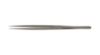
| Cat #: 0302-180-PO-1 | Description: Style 180, Polished, Inox 02 | Tip Thickness: 0.50 | Tip Width: 0.50 | Finish: Polished | Pack: Each | Price: $44.50 |
Add to Quote:

|
|
|
| Cat #: 0304-180-PO | Description: Dumont Style 180 Antimagnetic | Tip Thickness: 0.50 | Tip Width: 0.50 | Finish: Polished | Pack: Each | Price: $44.00 |
Add to Quote:
|
|
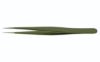
Dumont Style MM
Electronic grade assembling tweezer. They are slightly larger than high precision tweezers. OAL: 127mm. Tip:0.22 mm. Tip thickness: 0.26 mm.
| Cat # | Description | Tip Thickness | Tip Width | Finish | Pack | Price | Quote | Quantity | |
|---|---|---|---|---|---|---|---|---|---|
| Cat #: 0302-MM-CO-1 | Description: Style MM, Epoxy Coated, Inox 02 | Tip Thickness: 0.22 | Tip Width: 0.26 | Finish: Epoxy | Pack: Each | Price: $35.25 |
Add to Quote:
|
|
|
| Cat #: 0302-MM-PO-1 | Description: Style MM, Polished, Inox 02 | Tip Thickness: 0.22 | Tip Width: 0.26 | Finish: Polished | Pack: Each | Price: $35.25 |
Add to Quote:
|
|
|
| Cat #: 0304-MM-PO-1 | Description: Style MM, Polished, Antimagnetic | Tip Thickness: 0.22 | Tip Width: 0.26 | Finish: Polished | Pack: Each | Price: $29.75 |
Add to Quote:
|
|
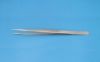
Dumont Diamond Tweezers
Dumont Stainless Steel tweezers coated with an extremely fine diamond dust in the inside tip. They are essential in applications where a tight grip is necessary. They are also available with an improved locking system. They are 5 1/2" (150 mm) long. They may not be suitable for use with EM grids.
| Cat # | Description | Tip Thickness | Tip Width | Finish | Pack | Price | Quote | Quantity | |
|---|---|---|---|---|---|---|---|---|---|
| Cat #: 78100 | Description: Fine Diamond Tips, Straight Tweezers | Tip Thickness: 0.25 | Tip Width: 0.25 | Finish: Diamond | Pack: Each | Price: $54.00 |
Add to Quote:
|
|
| Cat # | Description | Tip Thickness | Tip Width | Finish | Pack | Price | Quote | Quantity | |
|---|---|---|---|---|---|---|---|---|---|
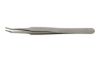
| Cat #: 0303-2A30-PO-1 | Description: Dumont Style 2A/30 Dumoxel | Tip Thickness: 0.20 | Tip Width: 1.50 | Finish: Polished | Pack: Each | Price: $34.50 |
Add to Quote:
|
|
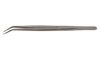
| Cat # | Description | A | B | C | Pack | Price | Quote | Quantity | |
|---|---|---|---|---|---|---|---|---|---|
| Cat #: 0302-24/45-PO | Description: Dumont Style 24/45 Inox 02 | A: 0.50 | B: 0.50 | C: Polished | Pack: Each | Price: $50.00 |
Add to Quote:
|
|

| Cat # | Description | Tip Thickness | Tip Width | Finish | Pack | Price | Quote | Quantity | |
|---|---|---|---|---|---|---|---|---|---|
| Cat #: 0302-N0-PO | Description: Dumont Style N0 Inox 02 | Tip Thickness: 0.10 | Tip Width: 0.17 | Finish: Polished | Pack: Each | Price: $49.50 |
Add to Quote:
|
|
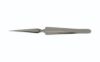
Style N0C
Electronic Grade: These tweezers have a slightly larger tips than the High Precision grade. Type 0 short, thin tips.
| Cat # | Description | Tip Thickness | Tip Width | Finish | Pack | Price | Quote | Quantity | |
|---|---|---|---|---|---|---|---|---|---|
| Cat #: 0304-N0C-PO | Description: Dumont Style N0C Antimagnetic | Tip Thickness: 0.10 | Tip Width: 0.17 | Finish: Polished | Pack: Each | Price: $36.00 |
Add to Quote:
|
|
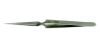
Style N1
Electronic Grade: These tweezers have a slightly larger tips than the High Precision grade. Type 1, strong tips.
| Cat # | Description | Tip Thickness | Tip Width | Finish | Pack | Price | Quote | Quantity | |
|---|---|---|---|---|---|---|---|---|---|
| Cat #: 0304-N1-PO | Description: Negative-Action Tweezers Electronic Grade Style N1 | Tip Thickness: 0.12 | Tip Width: 0.20 | Finish: Polished | Pack: Each | Price: $36.00 |
Add to Quote:
|
|
| Cat # | Description | Tip Thickness | Tip Width | Finish | Pack | Price | Quote | Quantity | |
|---|---|---|---|---|---|---|---|---|---|
| Cat #: 0303-N1-PO | Description: Dumont Style N1 Dumoxel | Tip Thickness: 0.12 | Tip Width: 0.20 | Finish: Polished | Pack: Each | Price: $37.00 |
Add to Quote:
|
|
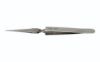
Style N2
Electronic Grade: These tweezers have a slightly larger tips than the High Precision grade. Type 2, long strong tips.
| Cat # | Description | Tip Thickness | Tip Width | Finish | Pack | Price | Quote | Quantity | |
|---|---|---|---|---|---|---|---|---|---|
| Cat #: 0304-N2-PO | Description: Dumont Style N2 Antimagnetic | Tip Thickness: 0.14 | Tip Width: 0.34 | Finish: Polished | Pack: Each | Price: $38.00 |
Add to Quote:
|
|
| Cat # | Description | Tip Thickness | Tip Width | Finish | Pack | Price | Quote | Quantity | |
|---|---|---|---|---|---|---|---|---|---|
| Cat #: 0302-N2A-PO | Description: Dumont Style N2A Inox 02 | Tip Thickness: 0.20 | Tip Width: 1.50 | Finish: Polished | Pack: Each | Price: $40.00 |
Add to Quote:
|
|
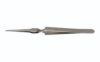
Style N2A
Electronic Grade: These tweezers have a slightly larger tips than the High Precision grade. Type 2A, round tips.
| Cat # | Description | Tip Thickness | Tip Width | Finish | Pack | Price | Quote | Quantity | |
|---|---|---|---|---|---|---|---|---|---|
| Cat #: 0304-N2A-PO | Description: Dumont Style N2A Antimagnetic | Tip Thickness: 0.20 | Tip Width: 1.50 | Finish: Polished | Pack: Each | Price: $33.00 |
Add to Quote:
|
|
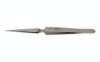
Style N3
Electronic Grade: These tweezers have a slightly larger tips than the High Precision grade. Type 3, thin tips.
| Cat # | Description | Tip Thickness | Tip Width | Finish | Pack | Price | Quote | Quantity | |
|---|---|---|---|---|---|---|---|---|---|
| Cat #: 0304-N3-PO | Description: Dumont Style N3 Antimagnetic | Tip Thickness: 0.10 | Tip Width: 0.17 | Finish: Polished | Pack: Each | Price: $36.50 |
Add to Quote:
|
|
| Cat # | Description | Tip Thickness | Tip Width | Finish | Pack | Price | Quote | Quantity | |
|---|---|---|---|---|---|---|---|---|---|
| Cat #: 0302-N3C-PO | Description: Dumont Style N3C Inox 02 | Tip Thickness: 0.10 | Tip Width: 0.17 | Finish: Polished | Pack: Each | Price: $40.75 |
Add to Quote:
|
|
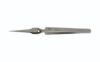
Style N5
Electronic Grade: These tweezers have a slightly larger tips than the High Precision grade. Type 5, super thin tips.
| Cat # | Description | Tip Thickness | Tip Width | Finish | Pack | Price | Quote | Quantity | |
|---|---|---|---|---|---|---|---|---|---|
| Cat #: 0304-N5-PO | Description: Dumont Style N5 Antimagnetic | Tip Thickness: 0.06 | Tip Width: 0.10 | Finish: Polished | Pack: Each | Price: $42.00 |
Add to Quote:
|
|
| Cat # | Description | Tip Thickness | Tip Width | Finish | Pack | Price | Quote | Quantity | |
|---|---|---|---|---|---|---|---|---|---|
| Cat #: 0302-N5-PO | Description: Dumont Style N5 Inox 02 | Tip Thickness: 0.06 | Tip Width: 0.10 | Finish: Polished | Pack: Each | Price: $47.50 |
Add to Quote:
|
|
| Cat # | Description | Tip Thickness | Tip Width | Finish | Pack | Price | Quote | Quantity | |
|---|---|---|---|---|---|---|---|---|---|
| Cat #: 0302-N5A-PO-1 | Description: Dumont Style N5A Inox 02 | Tip Thickness: 0.08 | Tip Width: 0.13 | Finish: Polished | Pack: Each | Price: $38.50 |
Add to Quote:
|
|
| Cat # | Description | Tip Thickness | Tip Width | Finish | Pack | Price | Quote | Quantity | |
|---|---|---|---|---|---|---|---|---|---|
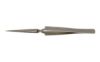
| Cat #: 0304-NAA-CO-1 | Description: Dumont Style NAA Antimagnetic | Tip Thickness: 0.20 | Tip Width: 0.40 | Finish: Epoxy | Pack: Each | Price: $41.00 |
Add to Quote:
|
|
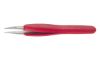
Style 00
Anti-magnetic steel ergonomic tweezers with soft electro static discharge (ESD) grips made of vulcanized nitrile rubber. Good resistance to corrosion and 80% antimagnetic but not as hard as Inox.
| Cat # | Description | Tip Thickness | Tip Width | Finish | Pack | Price | Quote | Quantity | |
|---|---|---|---|---|---|---|---|---|---|
| Cat #: 0304-00SAESD-ET1 | Description: Dumont Ergonomic ESD, Style 00, Red | Tip Thickness: 0.25 | Tip Width: 0.45 | Finish: Polished | Pack: Each | Price: $33.00 |
Add to Quote:
|
|
|
| Cat #: 0304-00SAESD-ET2 | Description: Dumont Ergonomic ESD, Style 00, Black | Tip Thickness: 0.25 | Tip Width: 0.45 | Finish: Polished | Pack: Each | Price: $33.00 |
Add to Quote:
|
|
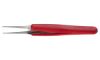
Style 2A
Anti-magnetic steel ergonomic tweezers with soft electro static discharge (ESD) grips made of vulcanized nitrile rubber. Good resistance to corrosion and 80% antimagnetic but not as hard as Inox.
| Cat # | Description | Tip Thickness | Tip Width | Finish | Pack | Price | Quote | Quantity | |
|---|---|---|---|---|---|---|---|---|---|
| Cat #: 0304-2ASAESD-ET1 | Description: Dumont Ergonomic ESD, Style 2A, Red | Tip Thickness: 0.20 | Tip Width: 1.50 | Finish: Polished | Pack: Each | Price: $39.00 |
Add to Quote:
|
|
|
| Cat #: 0304-2ASAESD-ET2 | Description: Dumont Ergonomic ESD, Style 2A, Black | Tip Thickness: 0.20 | Tip Width: 1.50 | Finish: Polished | Pack: Each | Price: $39.00 |
Add to Quote:
|
|